Register here:https://ars.electronica.art/negotiatinghumanity/en/tickets/
General website:https://ars.electronica.art/negotiatinghumanity/en/program/
Full festival practical information:https://ars.electronica.art/negotiatinghumanity/en/time-locations/
Location information:https://ars.electronica.art/negotiatinghumanity/en/view/UrsulinenhofLinz-34238ddb450c80558ba4f3d8d954ada3/
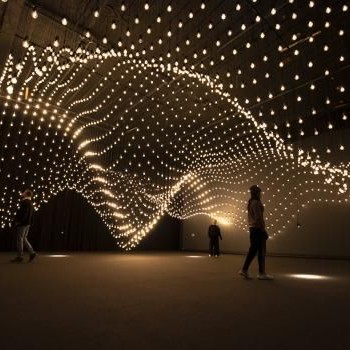
© Rafael Lozano-Hemmer
CONTESTED FUTURES
A one-day forum exploring how Europe negotiates power, technology, and labour in shaping its contested futures.
Europe Negotiating Power, Machine and Labour
If being human has always been a process of negotiation, then this day asks how Europe negotiates its future when so much of that future is already built into machines and the infrastructures of modern power that underpin our collective life. This forum is not staged as a single conference but a set of connected conversations, each a constellation of another possible Europe.
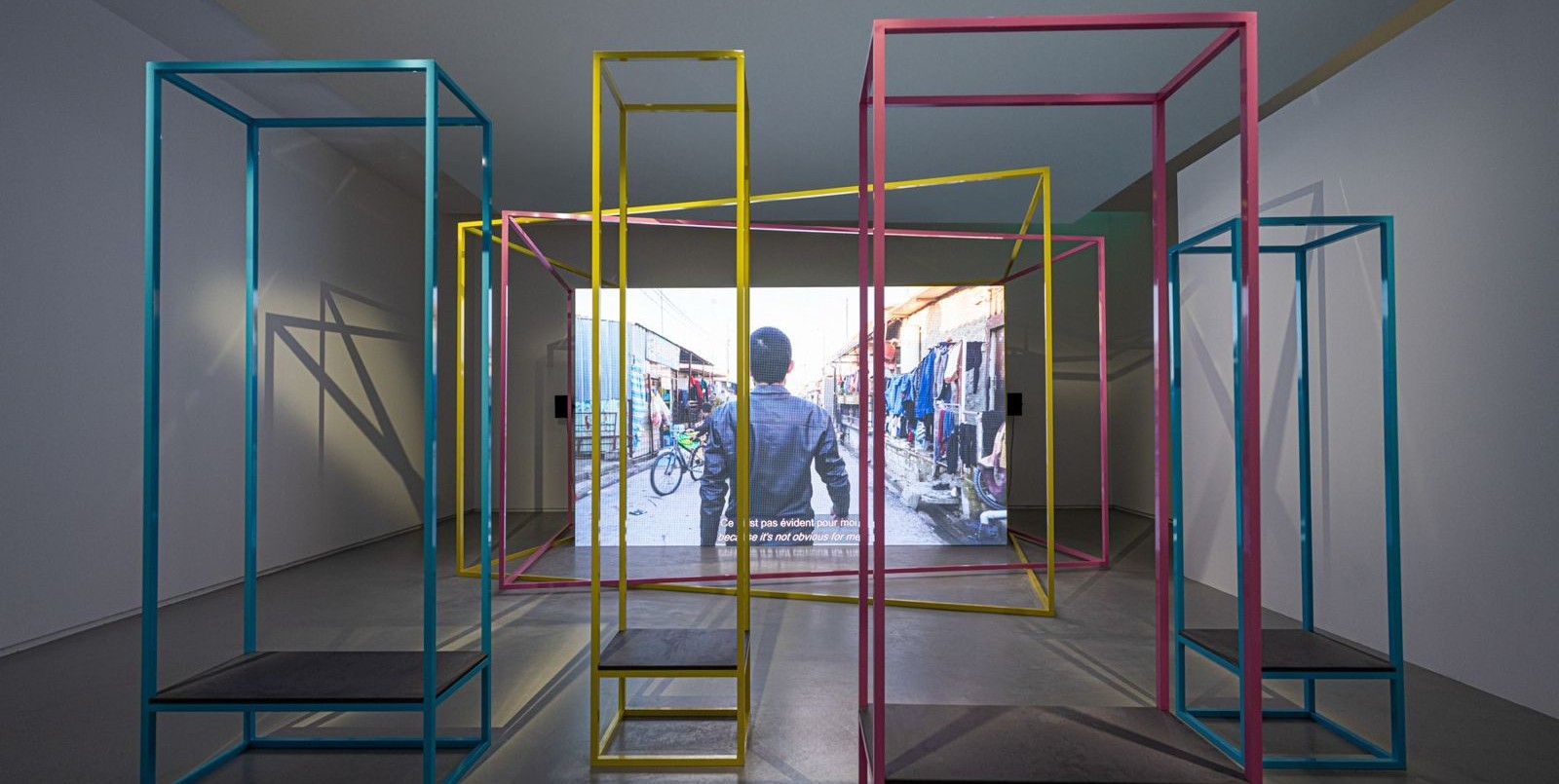
Mechanical Kurds © Hito Steyerl
Program
September 10, 2026
Ursulinenhof, Ursulinensaal
Participants
Curated by
Speakers
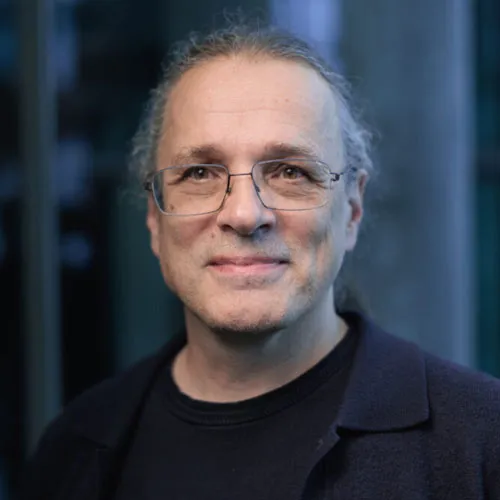
Gerfried Stocker
Artistic Director, Ars Electronica
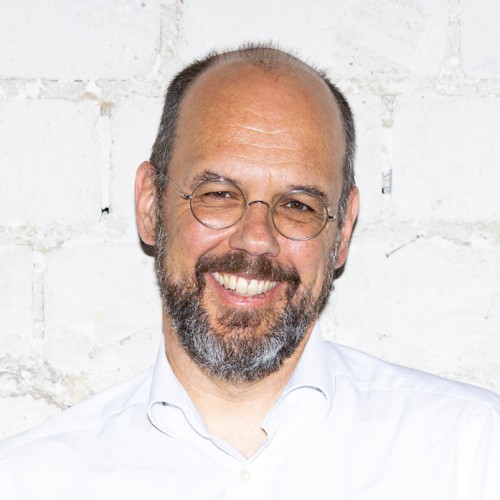
Tommaso Calarco
Director, Institute for Quantum Control, Forschungszentrum Jülich
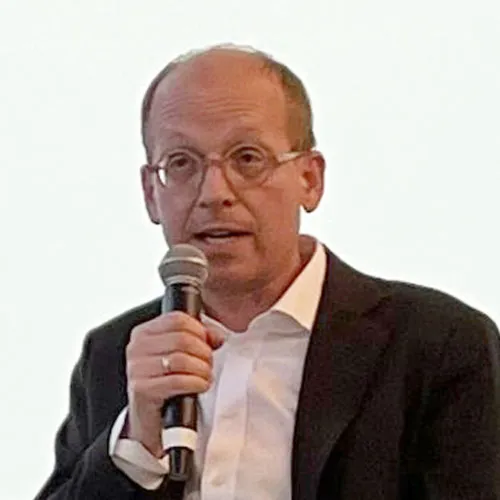
Martin Rauchbauer
Senior Diplomat, Austrian Federal Ministry for European and International Affairs
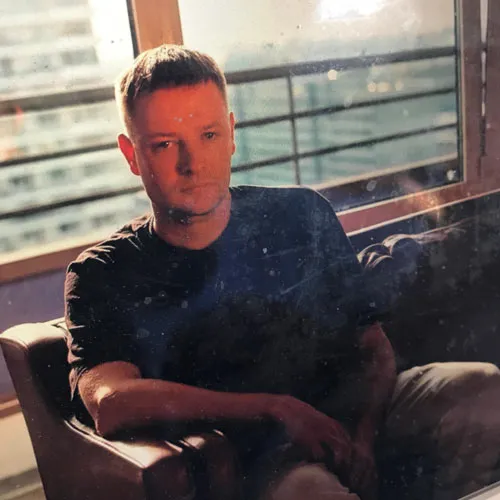
Simon Denny
Artist and Professor of Time-Based Media, HFBK Hamburg
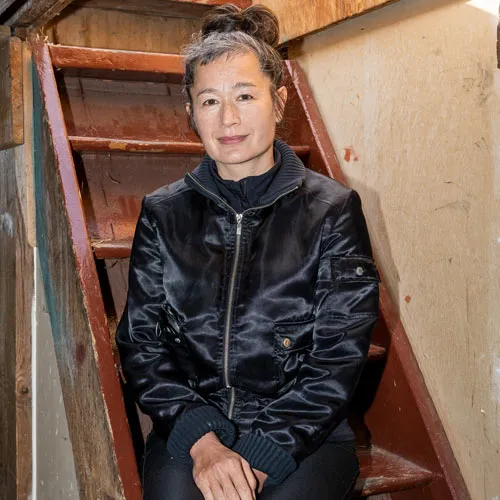
Hito Steyerl
Filmmaker and writer

Julia Kloiber
Managing Director and co-founder, Superrr Lab
Practical information
Ursulinenhof Linz, Ursulinensaal Landstraße 31 4020 Linz
Tram: Lines 1, 2 and 3: stop at 'Mozartkreuzung'. Ursulinenhof is located directly on Landstraße, within walking distance of the stop.
Venue: The event takes place in the Ursulinensaal at Ursulinenhof Linz, part of the Ars Electronica Festival's OK QUARTER.
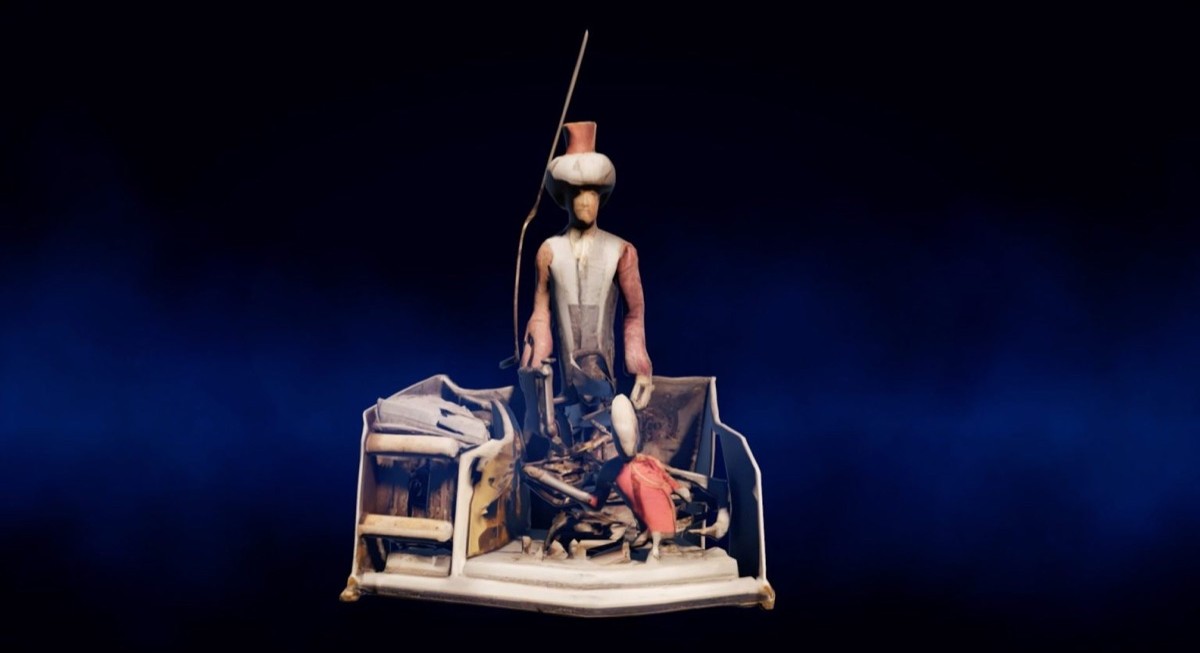
Mechanical Kurds © Hito Steyerl
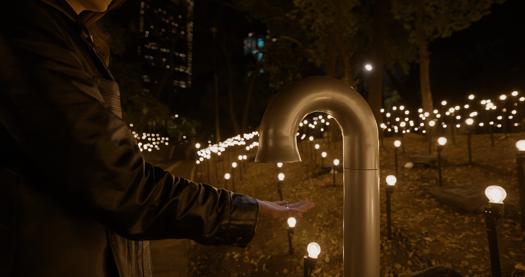
Pulse Garden © Rafael Lozano-Hemmer
Outcome & objectives
Explore alternative paths for European technological sovereignty, beyond dependency on dominant geopolitical and corporate powers.
Make visible the architectures of power behind technology — from hidden AI labour and automated conflict to digital infrastructures, data centres and planetary limits.
Use art as an infrastructure for negotiation: a space to expose conflict, challenge dominant narratives and imagine collective alternatives for technology, labour and the planet.
Move from diagnosis to possible futures, asking not only what Europe should build, but what it should refuse to build — and on whose terms.
Partners